Aerospace Engineering · UVA
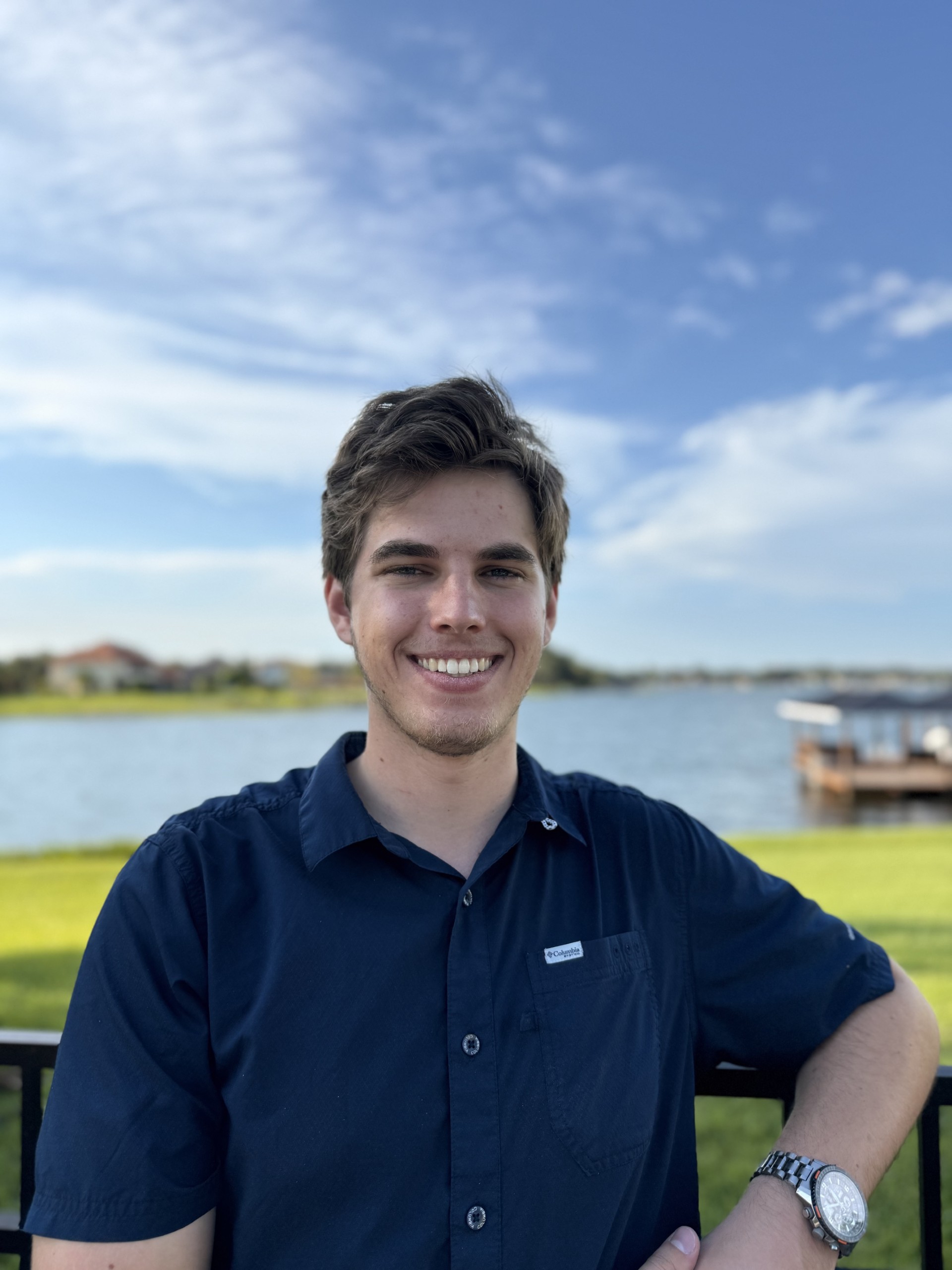
Anderson Garner
Fourth-year Aerospace Engineering student building flight hardware — from active airbrakes systems to CAD, FEA, and CFD work that's flown and won.
Fourth-year Aerospace Engineering student building flight hardware — from active airbrakes systems to CAD, FEA, and CFD work that's flown and won.
Hello! I'm Anderson Garner, a fourth year Aerospace Engineering student at UVA with experience in rocketry, CAD modeling, and FEA/CFD simulations. I enjoy working to bring complex engineering projects from concept to competition, focusing on practical and innovative solutions. Passionate about hands-on engineering, I combine technical skills in SolidWorks, ANSYS, and programming with strong project management and leadership experience.
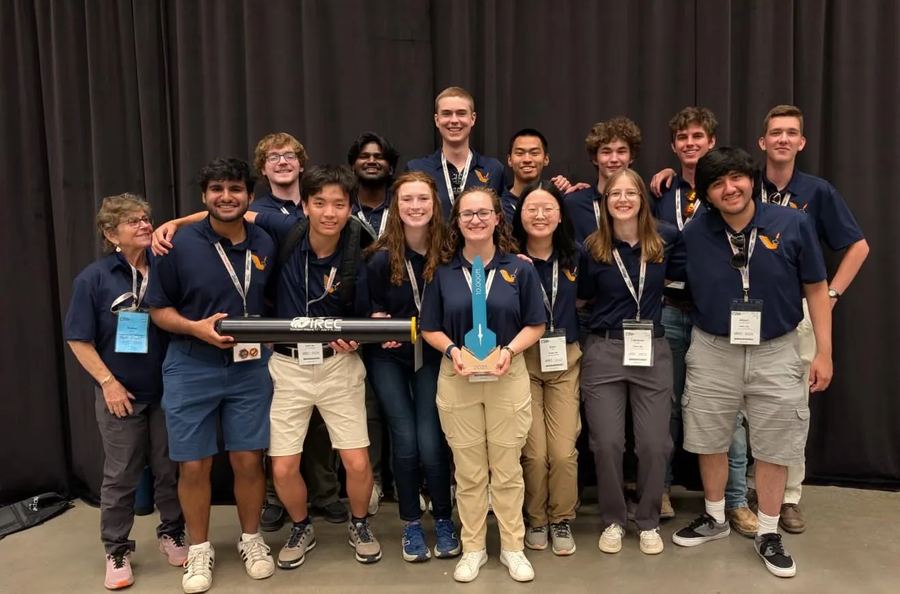
Coverage of the team's first-place finish in the 10K COTS category and second-place overall showing at the 2025 IREC competition.
Read the story ↗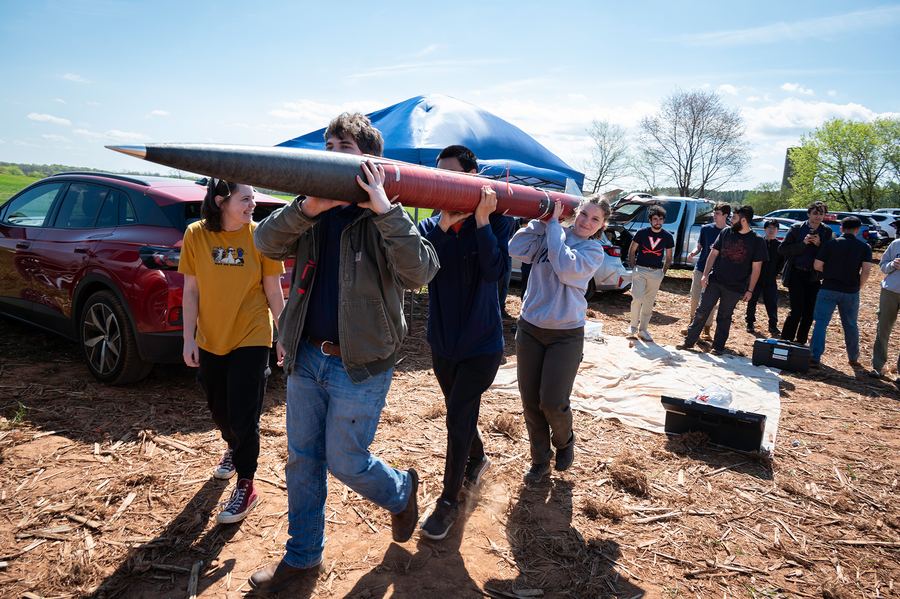
A behind-the-scenes look at the team's title defense, featuring Anderson fitting the airbrake computer ahead of the 2026 competition.
Read the story ↗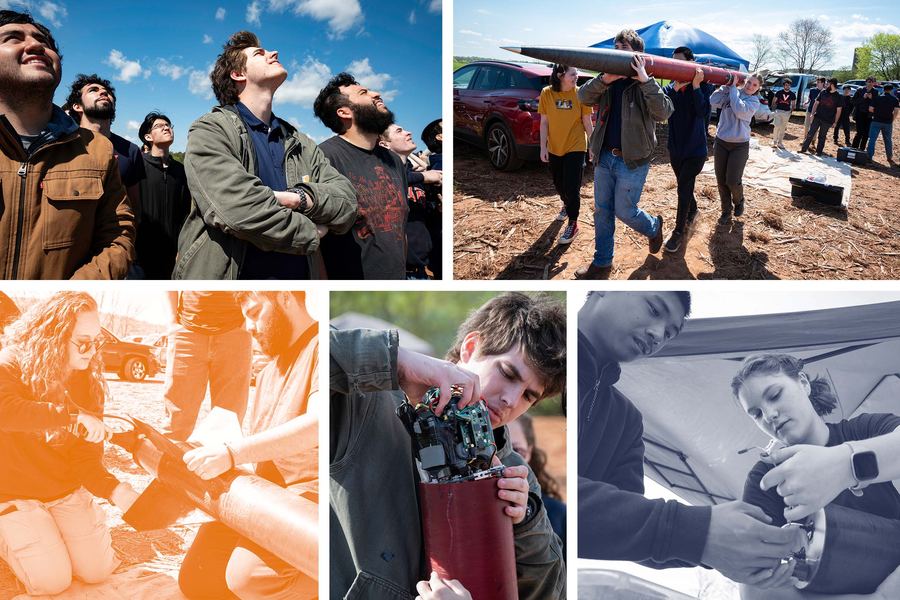
The team's onboard flight footage took first place at the 2026 IREC, with the technical report placing second overall.
Read the story ↗
Directing technical execution across an 80+ member team, setting engineering standards, and mentoring student engineers through design, analysis, and testing.
Sabre IV is currently in development for IREC 2027.
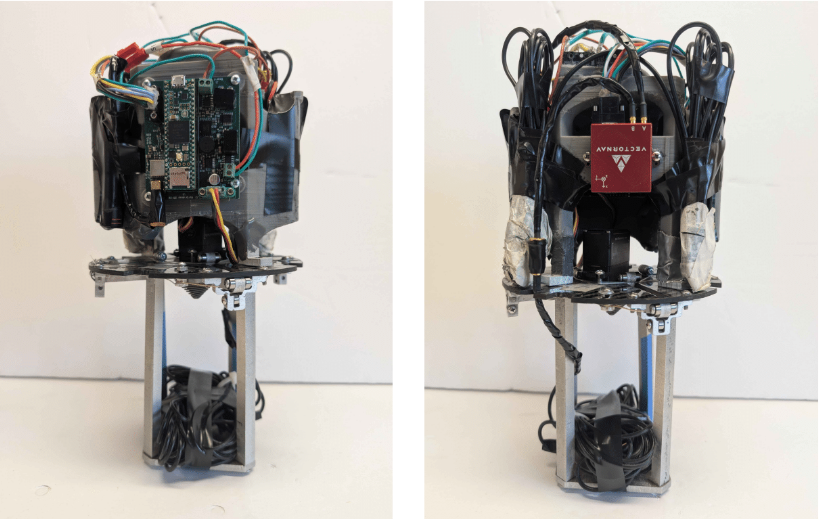
Returned as Airbrakes Sub-team Lead for an entirely new rocket, redesigning the active drag system around a novel winder-based deployment mechanism.
Refined onboard apogee prediction to within 10 ft of target altitude in simulation, ahead of the 2026 IREC competition.
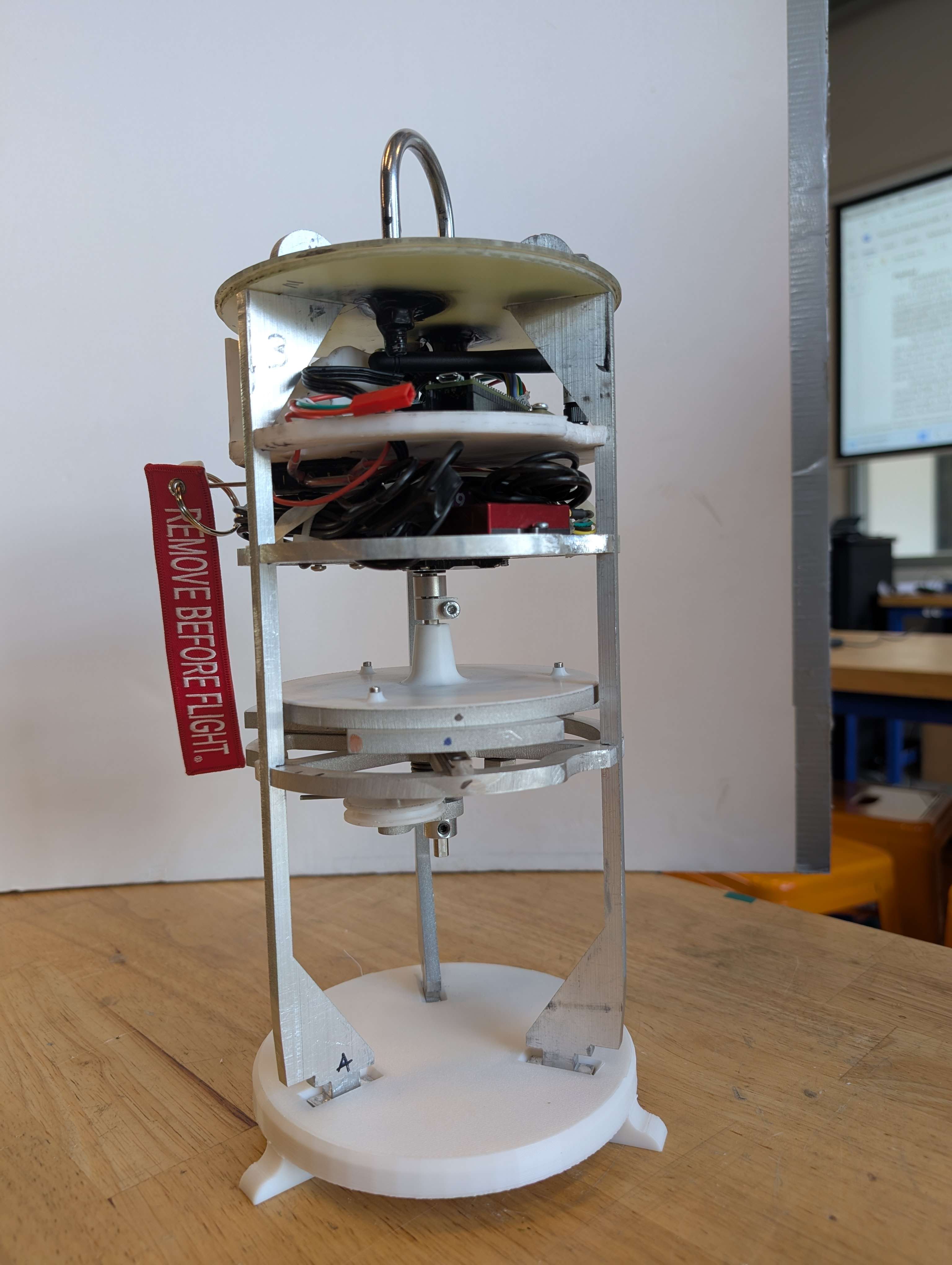
Designed key components of the airbrakes system that contributed to winning 1st Place in the 10k COTS category at IREC 2025.
Managed a 29-member sub-team to develop a lighter, stronger, and more cost-effective design for upcoming competitions.
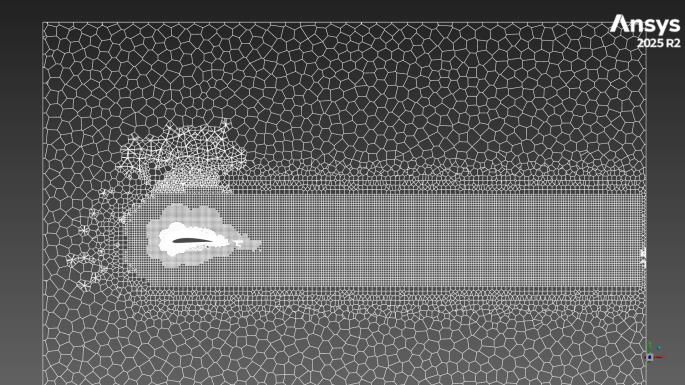
Co-authored a wind tunnel + CFD study on vortex generator size and placement, testing 90 configurations on a modular NACA 4410 airfoil.
Found the initial size/position hypothesis disproven, and used a Kriging surrogate model to identify an optimal configuration reaching a modeled L/D of 56.99.
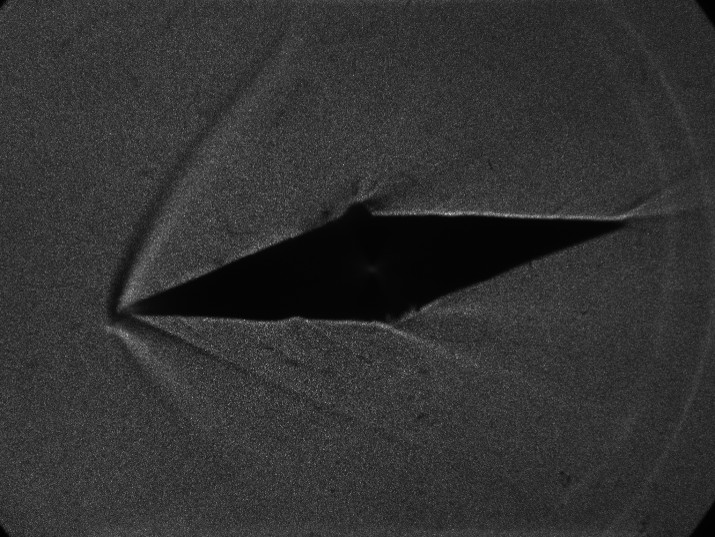
Characterized compressible flow in UVA's supersonic blowdown wind tunnel, validating blowdown models within ~11% of experimental timing.
Cross-validated Mach number across three independent methods using pressure taps, nozzle geometry, and shadowgraph shock angles.
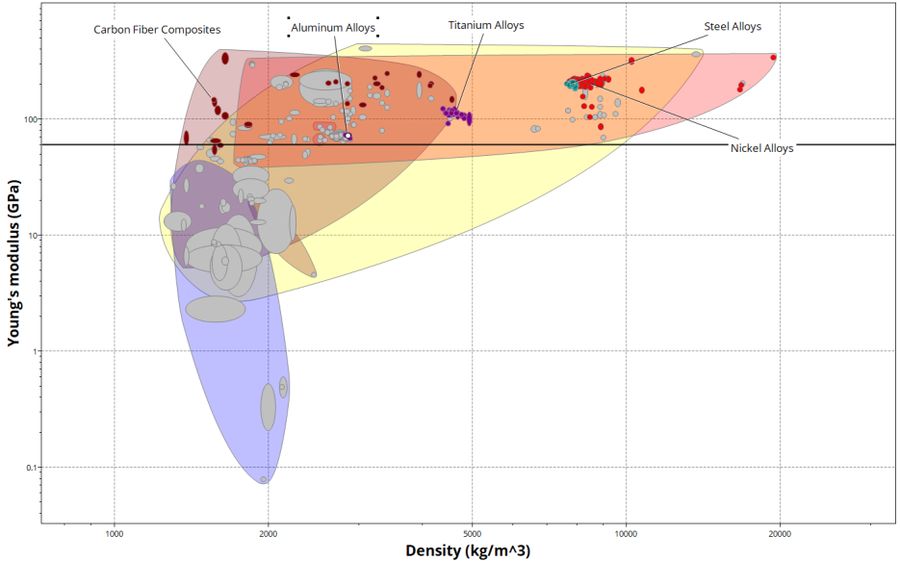
Performed ANSYS Granta analysis to select rotor blade materials against yield strength, stiffness, fatigue, and cost constraints.
Selected PEEK/IM carbon fiber composite as the optimal material via four derived merit indices.
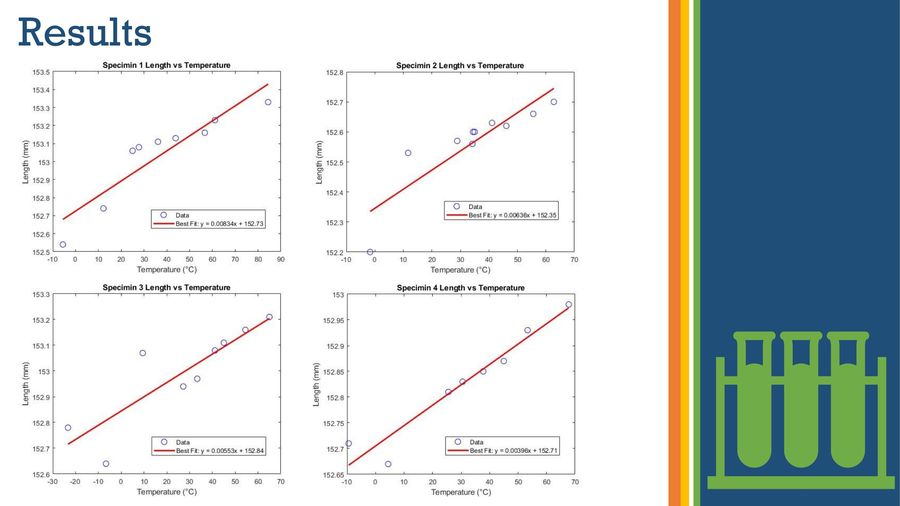
Measured the linear thermal expansion of 6061-T6 aluminum by cycling samples between dry-ice cooling and boiling-water heating.
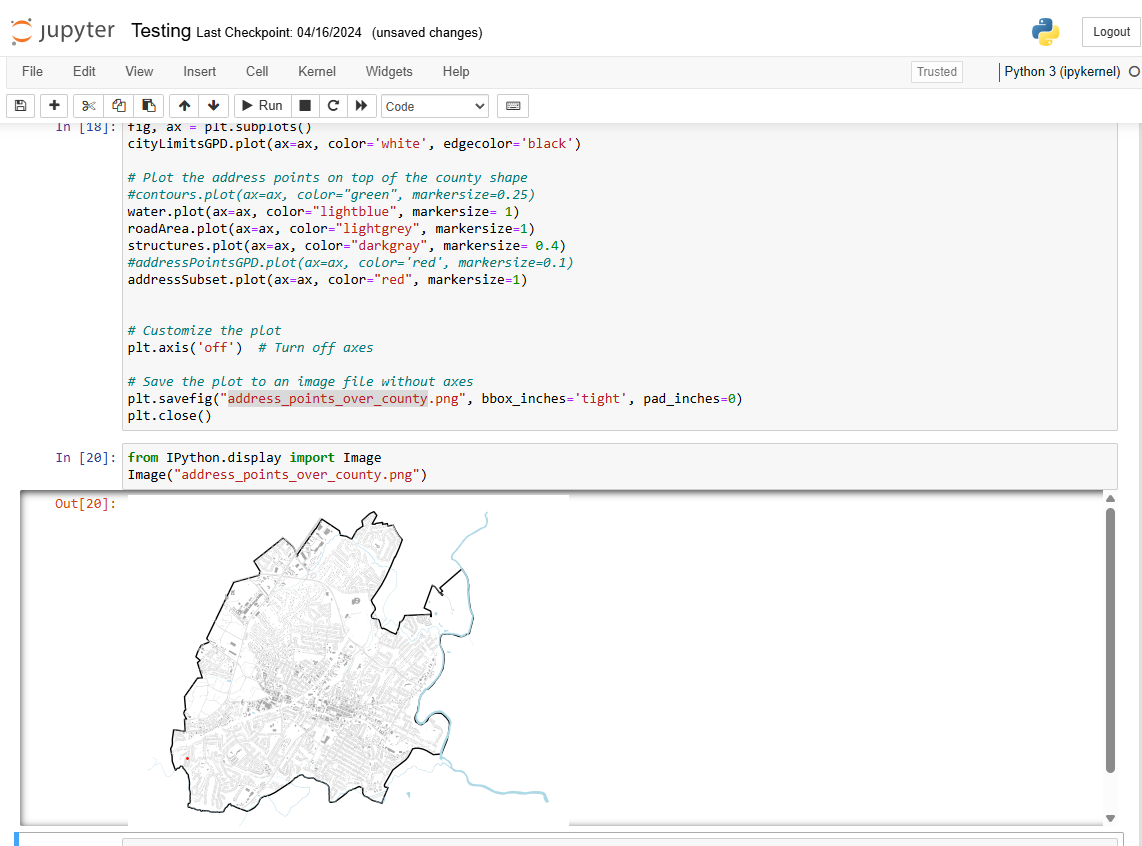
Developed software to simulate integration with the Veracross student information system, implementing a raffle-based carpool system.
Built a Python backend to query a parent database and display optimized carpool matches on an interactive map.
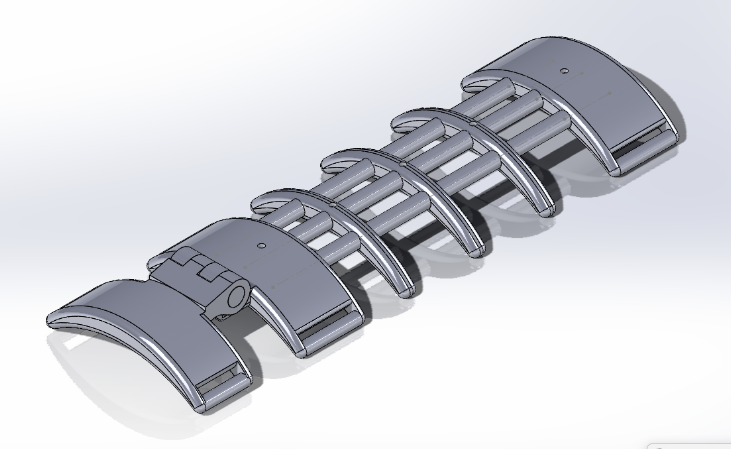
Designed a SolidWorks assembly for an assistive technology project focused on improving comfort and usability compared to conventional arm braces.
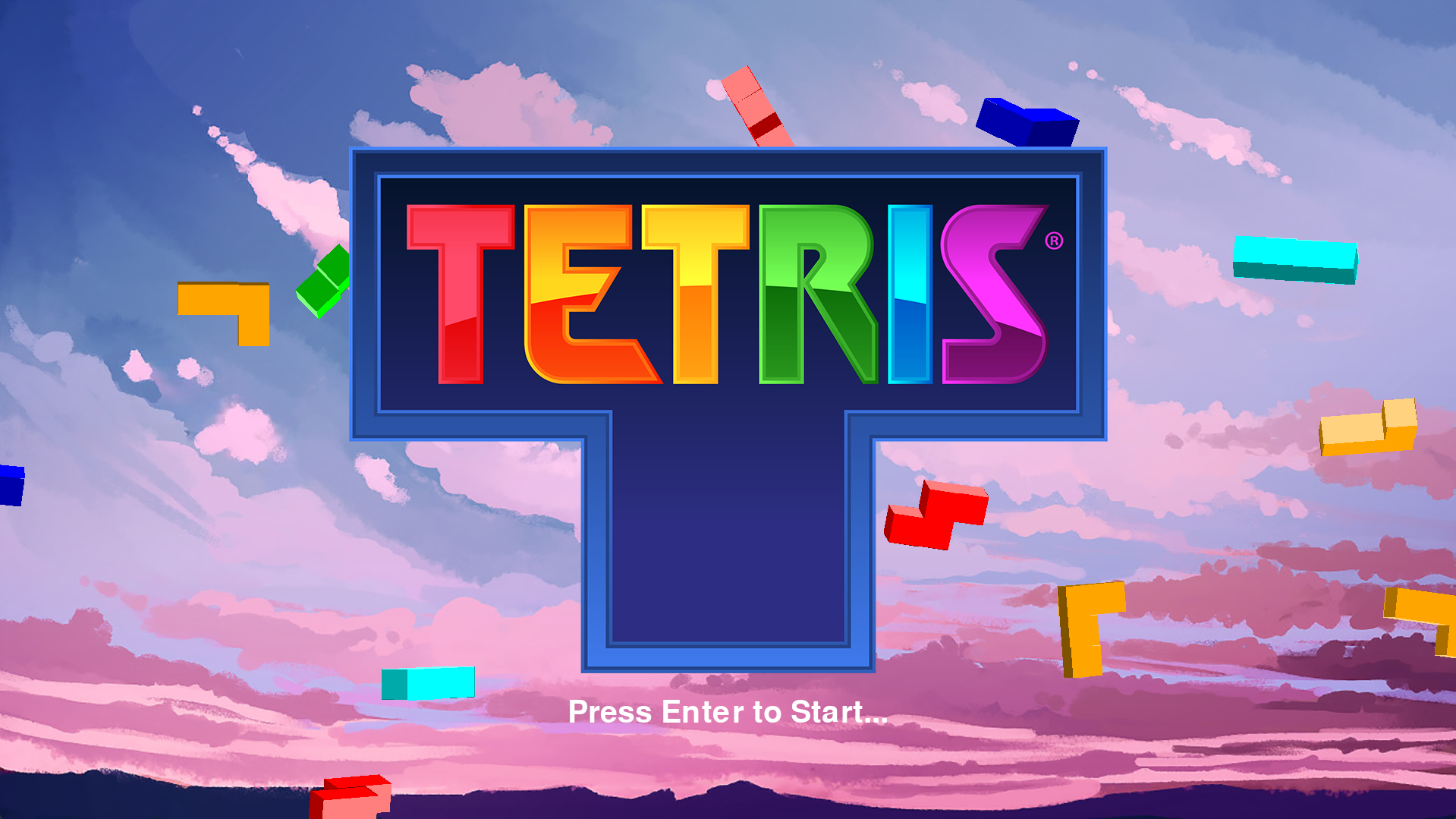
Programmed a Python-based version of Tetris conforming to the official Tetris guidelines, building a simple 3D game engine by extending an existing 2D game engine.
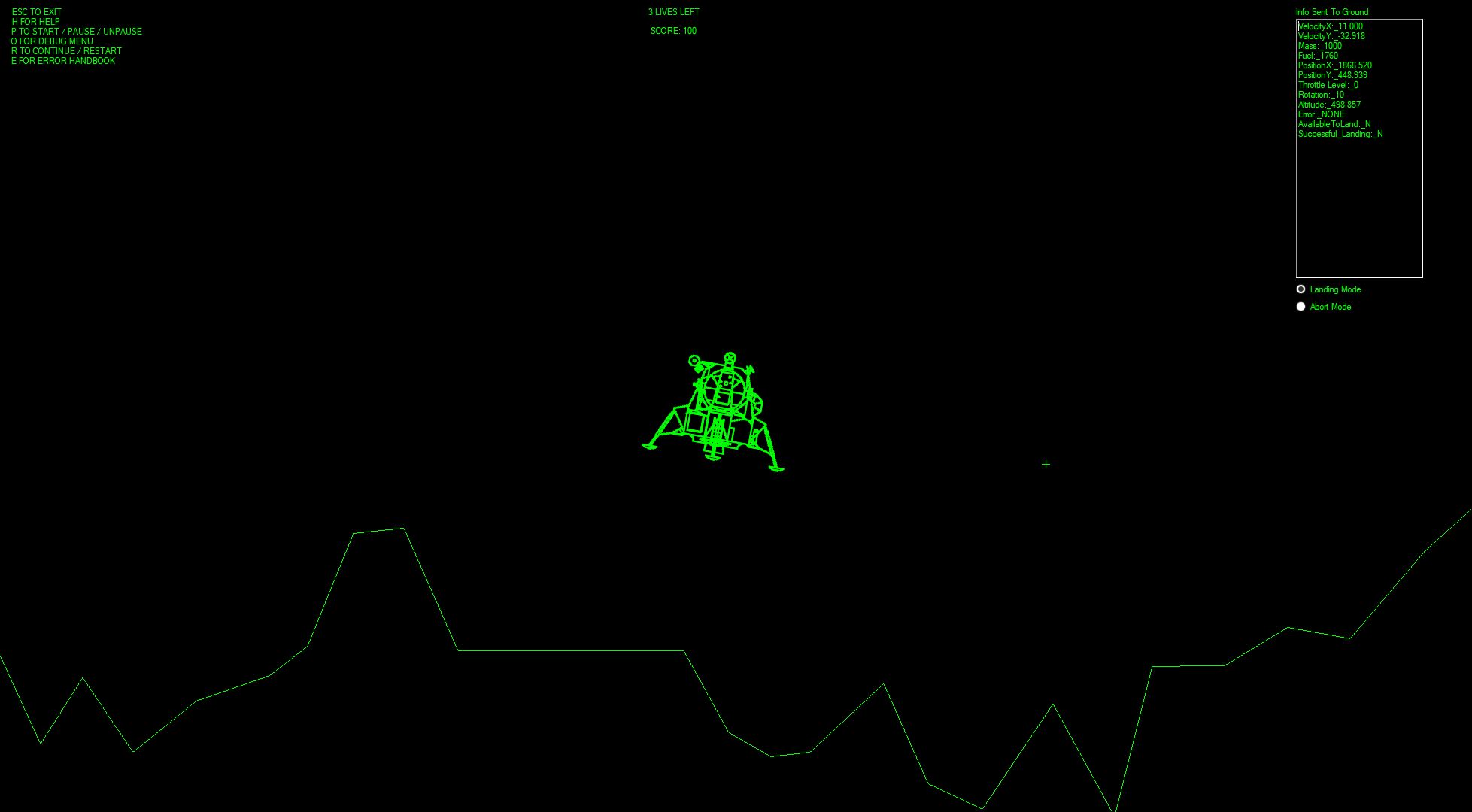
Created a physics-based lunar lander simulation in VB.net, applying fundamental principles of physics, graphics, and control systems.
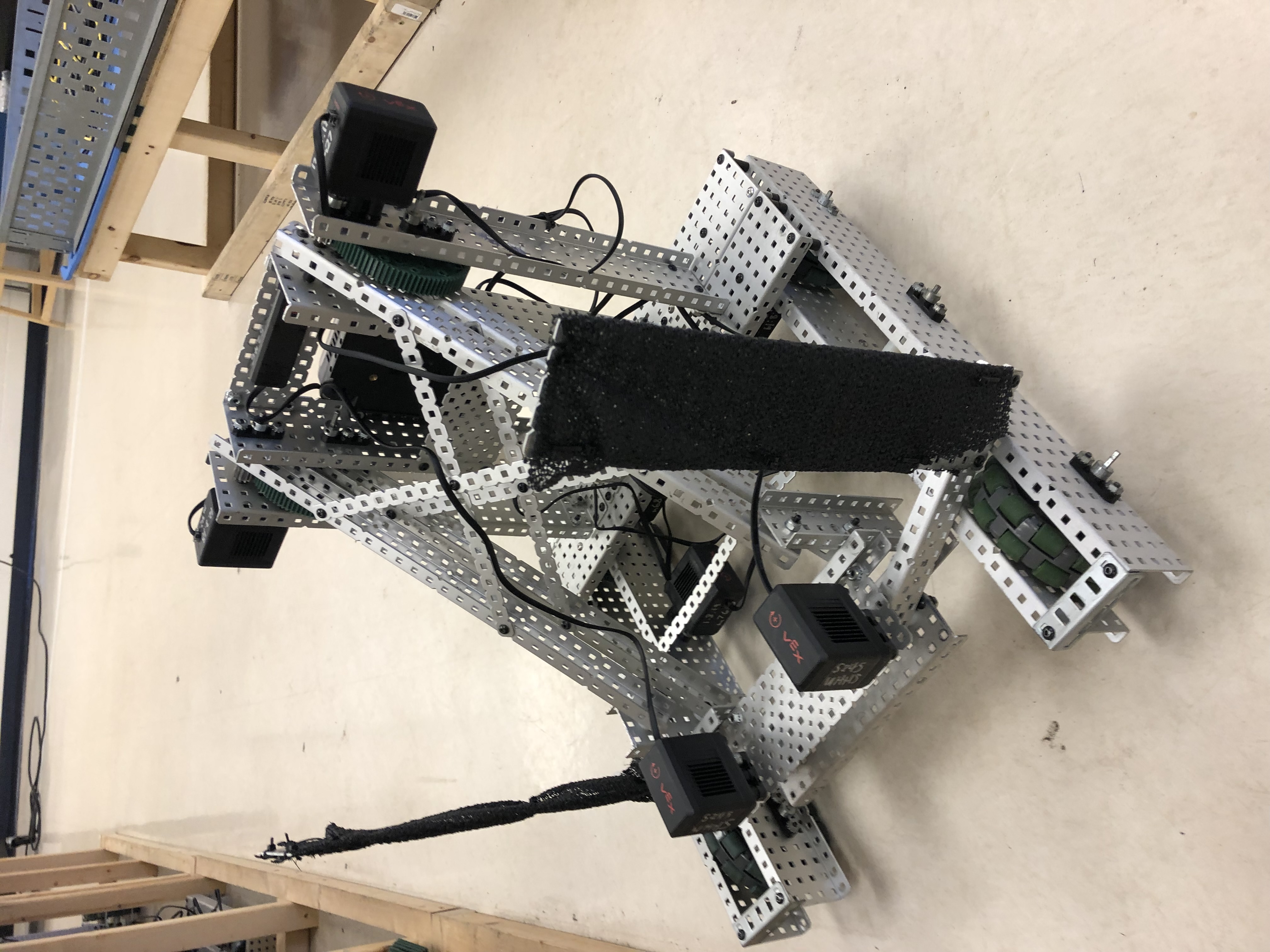
Designed, built, and programmed a VEX competition robot, gaining hands-on experience in the engineering design process, automation, and CAD. Earned SolidWorks CSWA certification during this time.
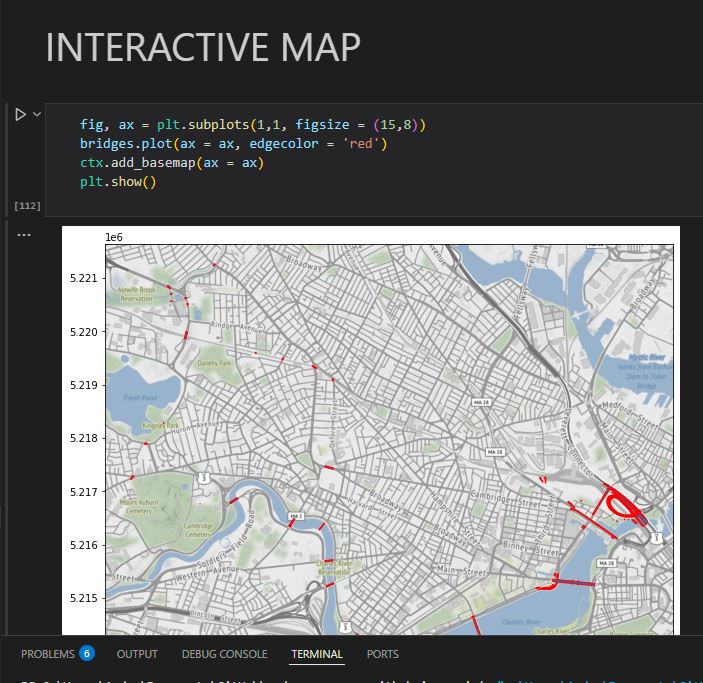
Learned python data visualization using Jupyter notebook, MatPlotLib, Pandas, etc.